
Tripper Clancy ’02
Screenwriter
Los Angeles, CA
WFU Class of 2002
Major: Communications
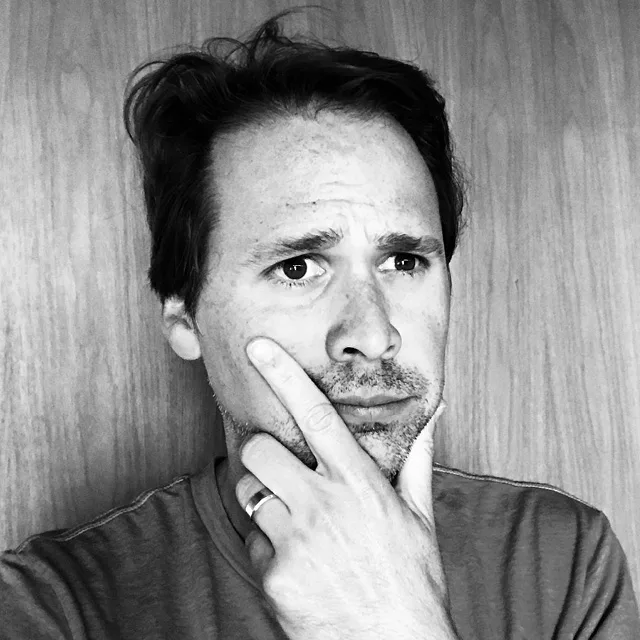
Tell us about your journey from graduation to where you are today:
My senior year at Wake, I took the feature script I had written the previous semester in Mary Dalton’s class and used it to apply to graduate film programs. This was several years before Wake offered a film major/minor, so I knew I needed the time and space to hone on my skills. I chose The University of Texas in Austin where I earned a Masters in Screenwriting while writing an additional six or seven screenplays. When I graduated from UT, I moved to LA and used those scripts as writing samples to help land my first agent. Having an agent or manager is pretty essential for a writer trying to break in, but I still worked a day job for nearly six years as I continued to write scripts and take them out to the marketplace. Eventually, something clicked in me and I wrote a very funny, emotional feature script that resonated with everyone who read it. This script helped me land my first paid gig, which allowed me to quit my day job and write full time. In the previous 16 years, I’ve sold scripts, pitches and been hired to write/rewrite scripts for all of the major TV and film studios around town. Getting a TV show or movie made is always the goal, but even when something doesn’t get made, getting paid to tell stories is the best career imaginable.
How much did your studies and general experience at Wake inform or drive your career path?
I came to Wake thinking I’d be a doctor. Biology, physics, and math were subjects that came naturally to me. But my time at Wake helped me realize how much I enjoy making people laugh and telling stories. I grew up playing piano and guitar and had written hundreds of songs over the years. But my junior year I took an Intro to Screenwriting Class with Mary Dalton and that was the first time I realized just how much fun it could be to tell a story in a long-form format. It was Professor Dalton who told me I was a gifted writer and needed to find a way to try to make a career writing screenplays. Her support inspired me to apply to graduate programs and ultimately move to LA to make a go of it.
How did you find and apply to your job? Any tips or suggestions for the student audience on networking, interviewing and applying for jobs?
When I first got to LA, I tried to network the best I could. There were a few alums (from Wake and UT) who were generous enough with their time to let me buy them coffee and pick their brains. I had to work hard on my own to get my scripts into the hands of people who could read them and help connect me with agents and producers. The best advice I can give is that no one out there will ever care about your success or your career as much as you do, so if you have a passion, you have to do everything within your power to make people notice.
What is your favorite part of living and working in LA? What is the most interesting thing going on in the art scene there at the moment, in your opinion?
LA is a vibrant, bustling city full of art and entertainers. On any given night, there are countless concerts, plays, stand-ups, improv shows, art gallery exhibits, etc. It’s a town where people come from all over to share their art and talent with others. As a screenwriter, I make up a tiny portion of that art scene, but the idea that anything I write has the potential to be seen around the world by millions of people is always intoxicating.
What is your favorite part about your work?
As a screenwriter, I can technically work from anywhere since all I really need is a laptop. But every couple of years I work in a TV writers room and that’s one of my favorite parts of my job. A group of writers with different backgrounds and worldviews all sitting around one big table trying to collectively tell a story is one of the most fun and most challenging creative endeavors you can find. And I’ve made some of my closest friends from these rooms as an added bonus.
What and where is next for you?
I’m currently writing the next Night of the Museum movie for Disney as well as a Glen Powell movie for Paramount. Next Spring, a movie I wrote for Pixar will hit the theaters. But I’m always looking for the next great story, original or otherwise, so I have no idea what project I’ll work on next.
Any other kernel of advice you’d like to impart to the readers?
Breaking into a creative field takes several things. Talent. Persistence. And luck. Talent is something you can work at and hone. Persistence is entirely up to you. Luck is a little bit out of your hands, but the more you can put yourself out there and let people know what you’re passionate about, the more luck you’ll make for yourself.